Most HPV clears by itself within a year or two. For about one in ten people it doesn’t — and the advice is usually to come back in 12 months. Here is what genuinely helps in the meantime, and an honest look at the evidence for the supplement AHCC.
A landmark 2026 New Zealand study surveyed 657 people with endometriosis and found a median diagnostic delay of ten years — and that nearly half had never heard of the condition when their symptoms began.
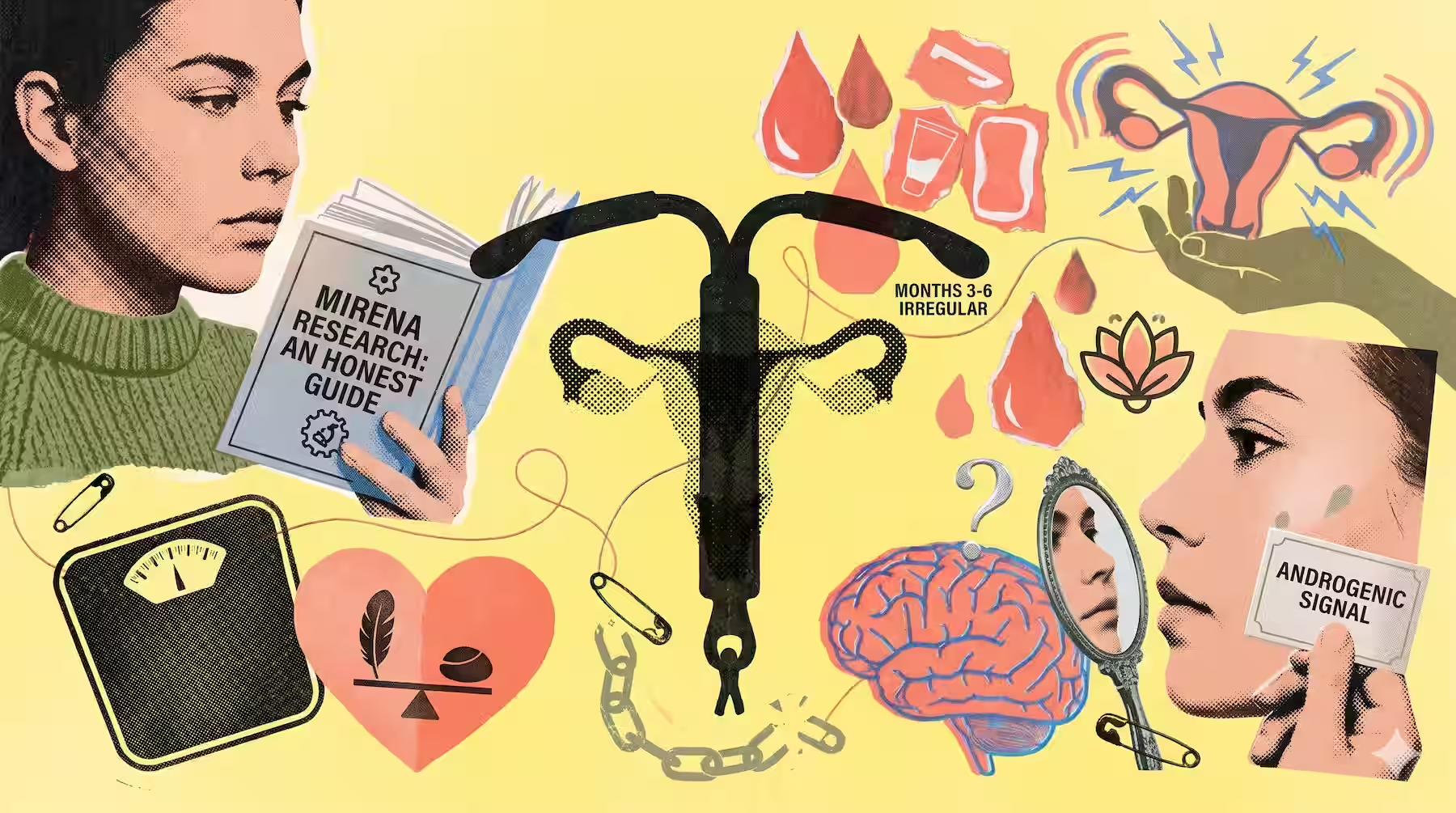
The Mirena is hugely popular, so if you ask around or do a deep dive, the results can be alarming. Here is an honest, evidence-based look at the most common concerns — bleeding changes, insertion pain, mood, acne, breast cancer risk, and more — with real numbers and named studies.
Polycystic ovary syndrome (PCOS) has been officially renamed polyendocrine metabolic ovarian syndrome (PMOS). Your condition has not changed — but the name finally reflects what is actually going on in your body.
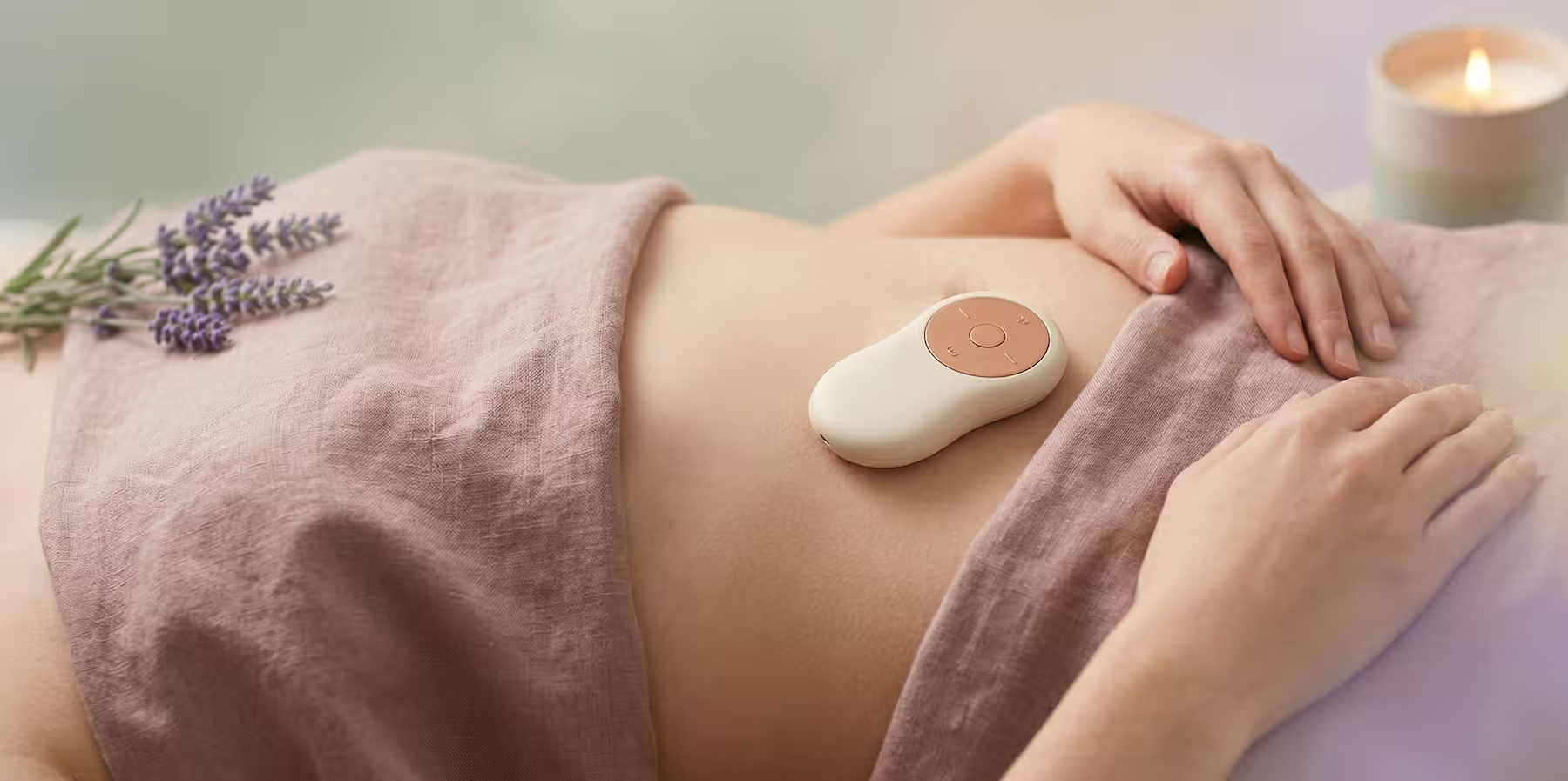
A TENS device is a little box or a wearable patch that sends gentle electrical pulses through pads placed on your skin. You feel a mild buzzing or tingling sensation, and that's doing the work.
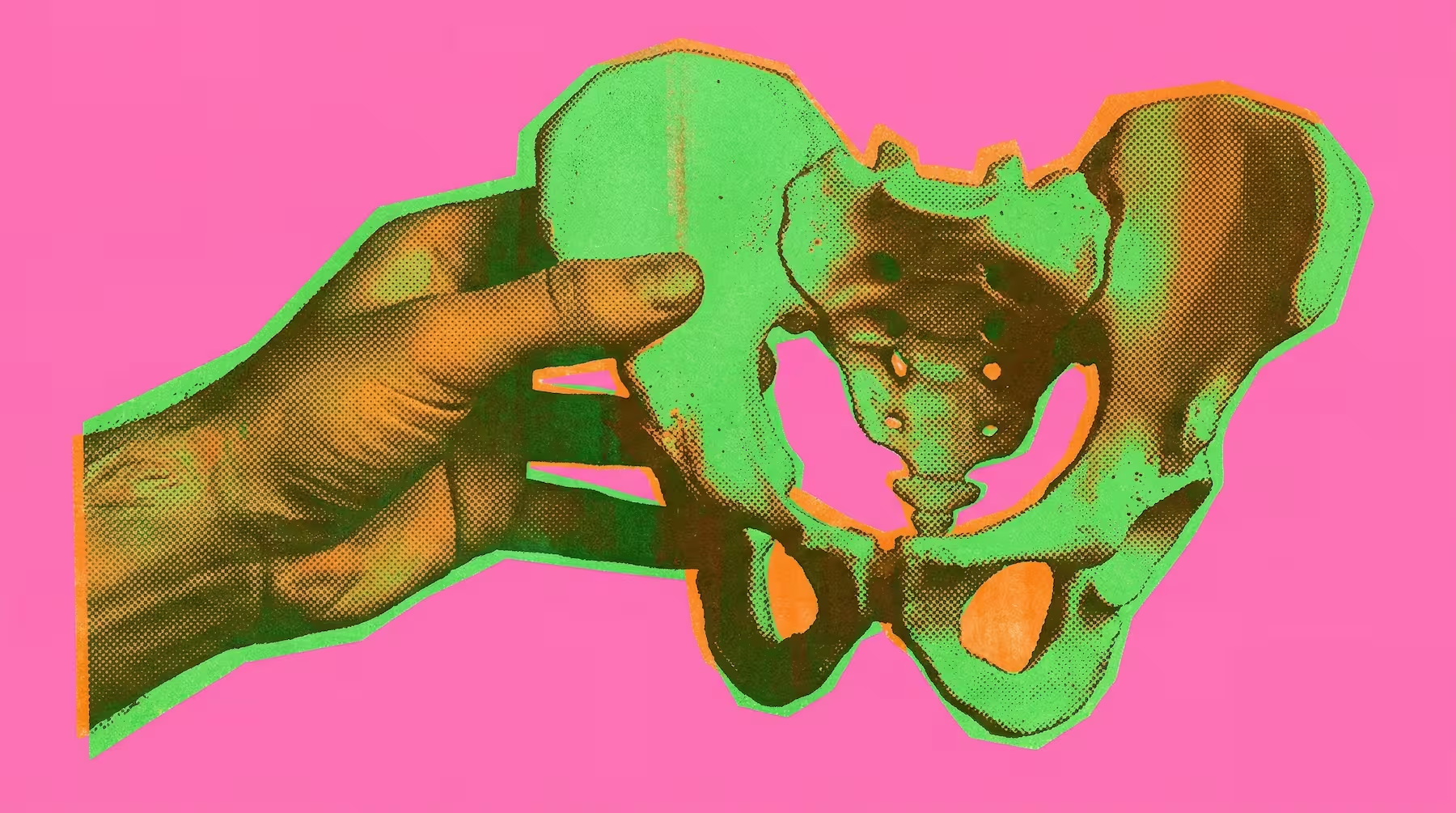
Persistent pelvic pain often involves tight pelvic floor muscles and a sensitised nervous system—not just the original condition. Pelvic floor physiotherapy, multidisciplinary care, and sometimes Botox can all play a role in recovery.
If you've ever quietly wondered whether your sex life is "normal," you're not alone. What we see online is not real life—it's curated and performative. Here's an honest look at low libido, painful sex, responsive desire, and the orgasm gap.
The start of a new year is often when women pause and notice symptoms they’ve been living with quietly. Changes in bleeding, pelvic pain, or cycle patterns are common — but not something you have to tolerate.
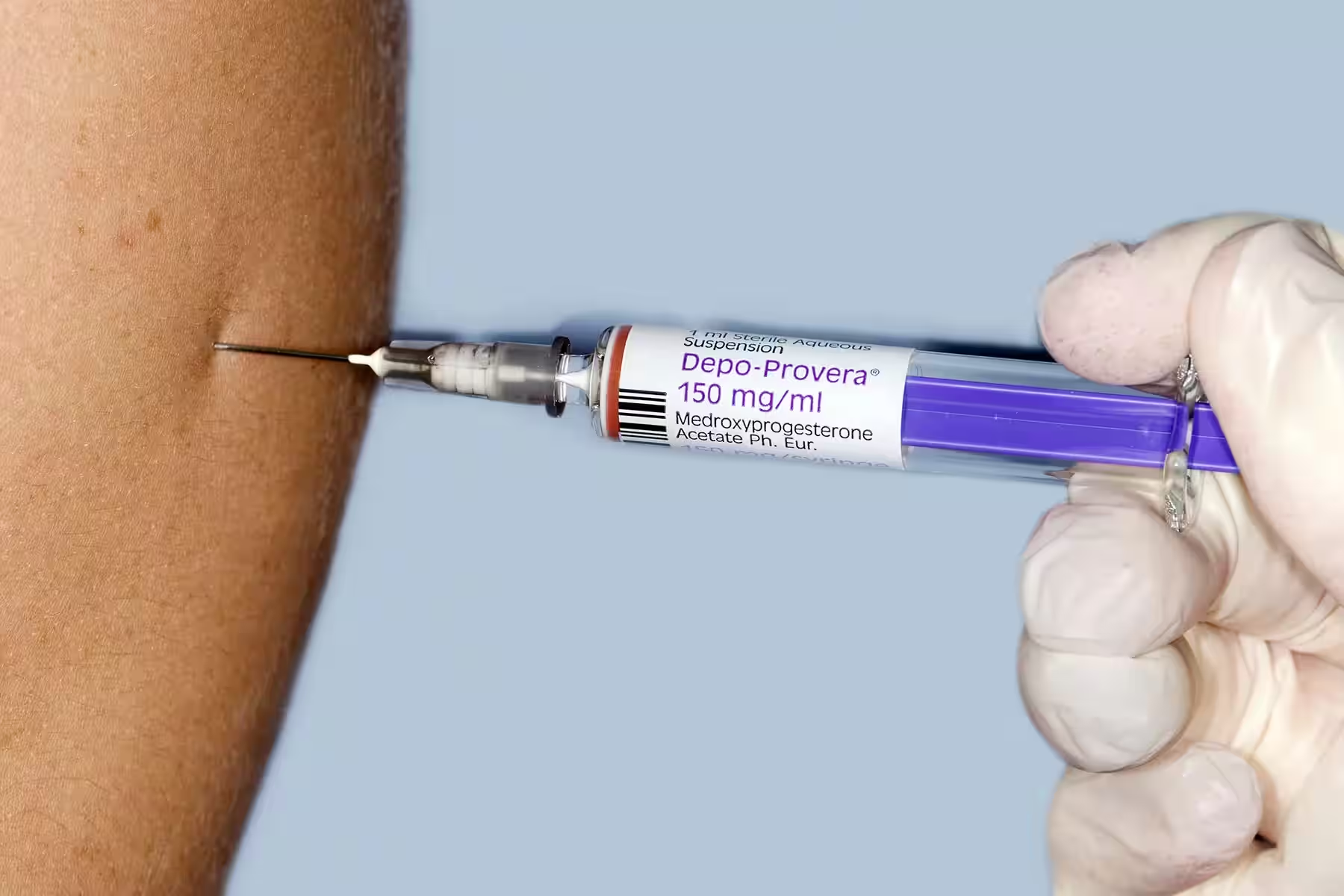
New research in The BMJ and JAMA Neurology links long-term Depo-Provera use to a small increase in meningioma risk. This article explains the findings, puts the risk in context, and explores what it means for those using Depo-Provera for contraception or endometriosis management.
Heavy menstrual bleeding is a common problem that can affect work, social life, and overall wellbeing. Many women are told that the main treatments involve hormones — such as the pill, progesterone tablets, or the hormonal IUD. While these are very effective, they don’t suit everyone.
One of the most significant yet often unspoken issues I encounter is period poverty. In Aotearoa, a lack of access to affordable period products is not just a financial issue; it’s a public health crisis that affects education, dignity, and well-being.
For the first time in nine years, there’s a new medical treatment available in New Zealand. Ryeqo (relugolix, estradiol, norethisterone acetate) is now registered for adults of reproductive age who have tried other medical or surgical treatments for their endometriosis.