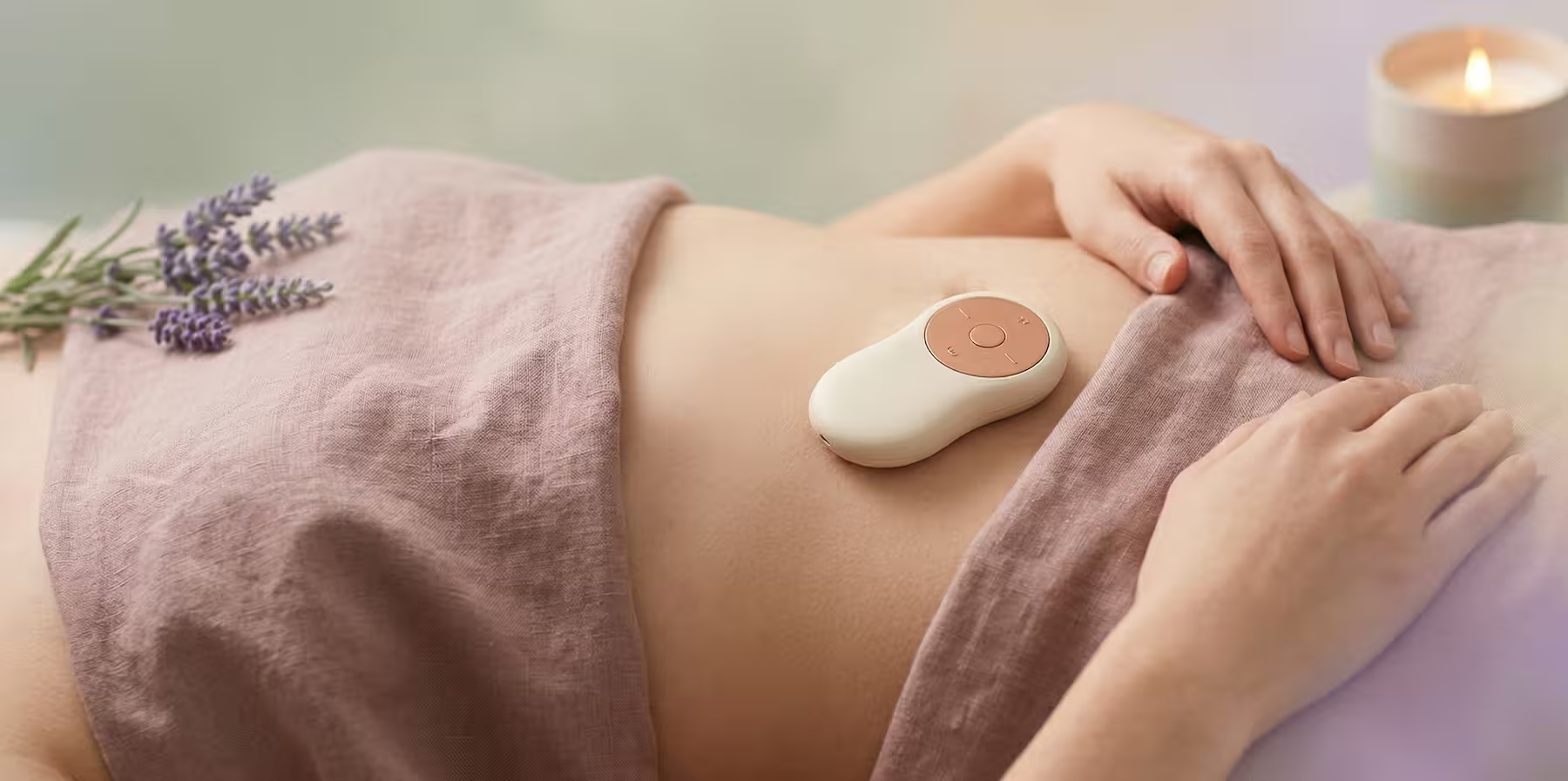
Could a TENS machine help with your pelvic pain?
Living with pelvic pain is exhausting. Whether it’s the cramping that derails your plans every month, the deep ache of endometriosis, or the kind of persistent discomfort that’s just always there — it takes a toll. Medications help, but many people are also looking for something they can reach for at home, without side effects, that actually makes a difference.
That’s where TENS comes in.
So what actually is a TENS machine?
TENS stands for Transcutaneous Electrical Nerve Stimulation — which sounds a lot more intimidating than it is. Basically, it’s a small device (often just a little box or a wearable patch) that sends gentle electrical pulses through pads placed on your skin. You feel a mild buzzing or tingling sensation, and that’s doing the work.
You can adjust the settings to find what feels best for you. It’s drug-free, reusable, portable, and you can use it at home, at work, or pretty much anywhere.
Why does buzzing help with pain?
There are two main reasons TENS can ease pain. First, the electrical pulses essentially “distract” your nervous system — they travel faster than pain signals and can help block them before they reach your brain. Think of it like a busy phone line: the TENS signal gets through first and the pain signal gets put on hold.
Second, at lower frequencies, TENS can actually trigger your body to release its own natural painkillers — endorphins. These can keep working for several hours after you’ve finished a session.
Does it actually work for endometriosis and pelvic pain?
For many people, yes. Research has looked at TENS specifically in people with endometriosis, and found meaningful reductions in chronic pelvic pain, painful sex, and overall quality of life — even in those already on hormonal treatment. For period pain more broadly, it’s one of the better-studied non-drug options out there.
It’s also been looked at for conditions like painful sex (dyspareunia), bladder urgency, and postpartum pelvic floor issues — with encouraging results across the board.
That said, it’s not magic. It works best as part of a bigger picture alongside physio, any medical treatment you’re already on, and good support from your care team.
A few things to keep in mind
- Don’t use TENS during pregnancy (unless your midwife or specialist says otherwise)
- Avoid using it over broken or irritated skin
- May not suitable if you have a pacemaker or other implanted device
How do I get started?
TENS devices are available without a prescription at most pharmacies. Two worth knowing about if you’re managing period or pelvic pain:
Tap Health NZ is a New Zealand company offering a highly rated TENS device designed specifically for pelvic pain, with clinical support available to help you get the most out of it. They have great information on how to make the most of TENS.
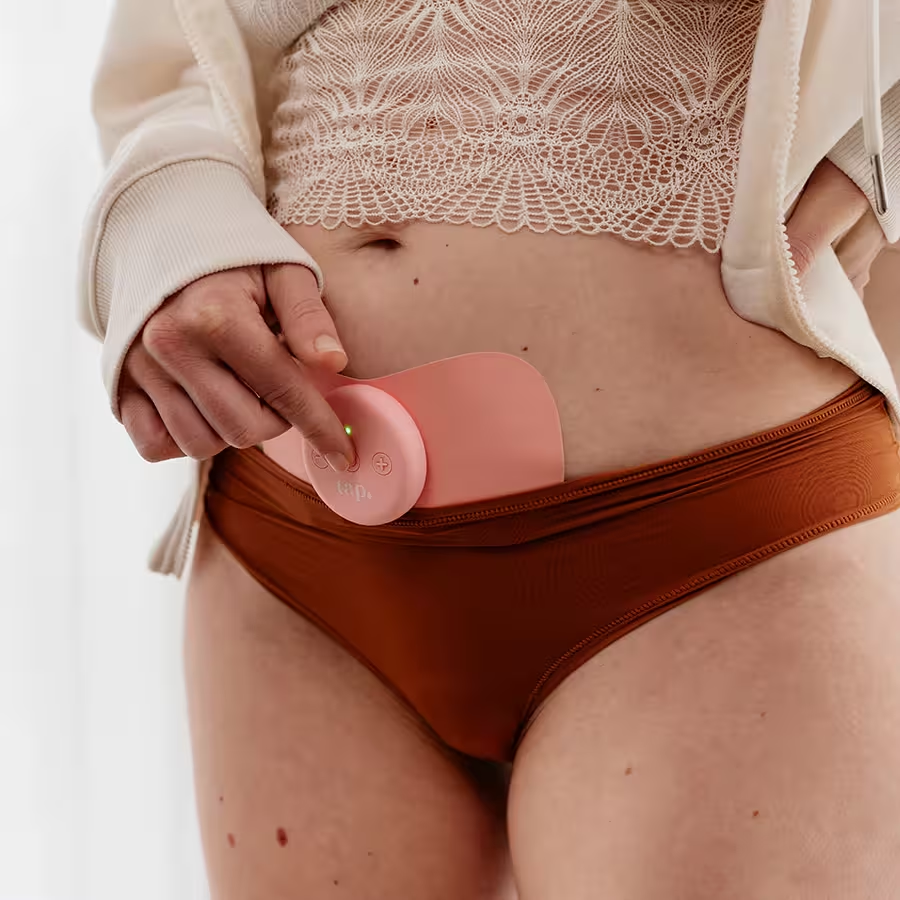
The Vush Aura is another wearable option — discreet enough to wear under clothes during the day, and purpose-built for period and pelvic pain.
For guidance on electrode placement and settings for your specific situation, try EndoZone or Tap Health. A pelvic health physiotherapist is also a great resource for TENS use as all as all aspects of pelvic pain management.
Bottom line: TENS isn’t a cure, but for a lot of people it takes the edge off in a meaningful way. If you’re managing endometriosis or chronic pelvic pain and haven’t tried it yet, it’s low-risk and worth exploring.